Self-Care: The Most Overlooked Secret to Success in Our Spiritual Lives
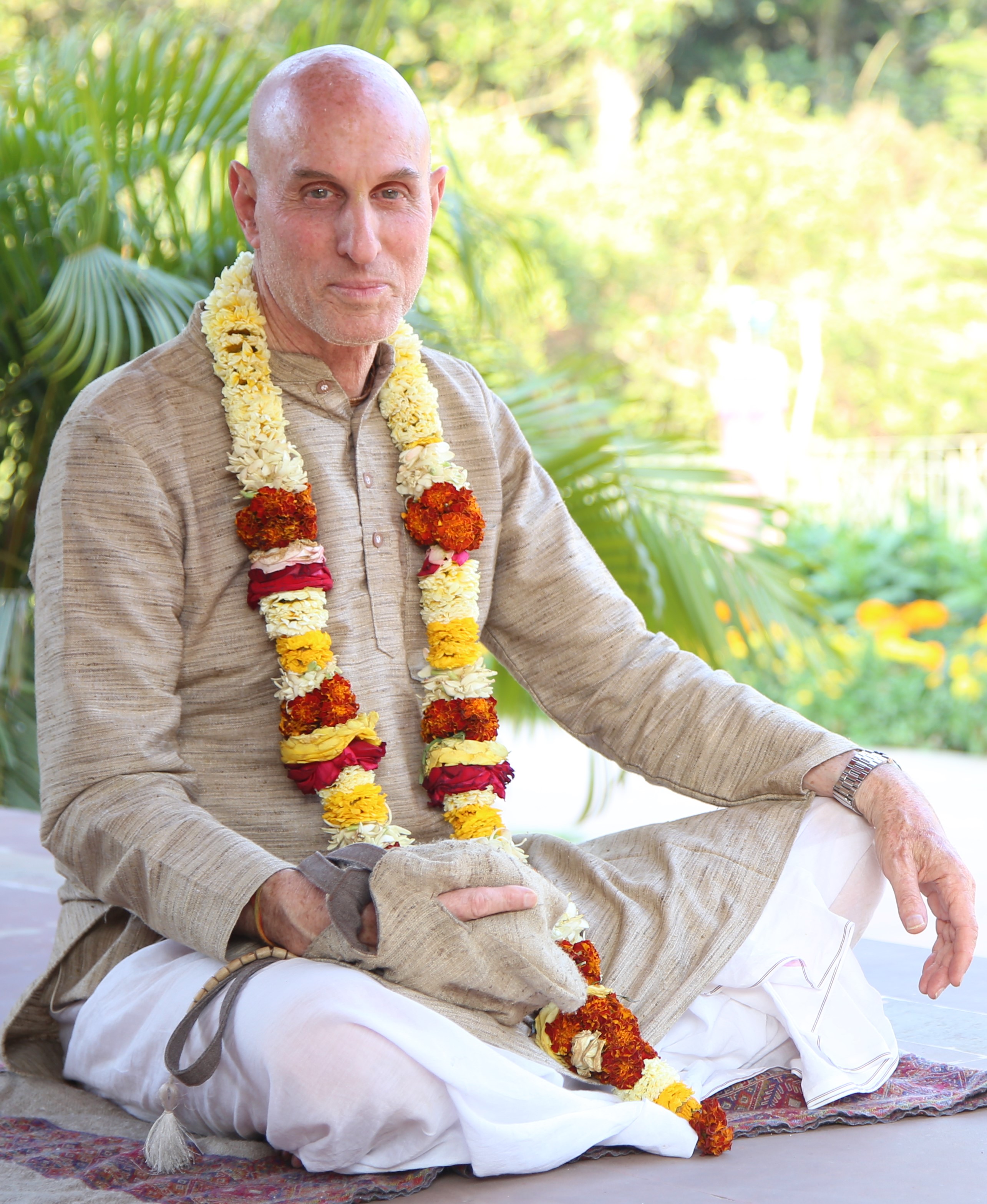
By Mahatma das
By Mahatma das
Self-Care: The Most Overlooked Secret to Success in Our Spiritual Lives
This course is meant for anyone who wishes to develop genuine self-love through the process of caring for oneself physically, emotionally, mentally, spiritually, financially, etc. By applying self-care practices, we can live a balanced and sustainable lifestyle which accounts for all aspects of our life, without emphasizing some at the expense of others. This course also delves deep into the philosophy of self-care.
There are exercises attached to each section of the course. You will find the links to the exercises along with links to other material below each video.
Doing the exercises is how you will imbibe the teachings of this course. The exercises are thus the most important part of the course. Do them as they come up in the course and don’t jump ahead without having completed the current exercise.
For some sections of the course there will be additional optional resources to help you deepen your understanding of the lesson. They are found below ache video in the Extra Resources section. They are in the form of text, audio, video and/or exercises.
Course material:
-16 lessons
-20 videos
-62 exercises
and additional resources
For more information, click here
Mahatma das
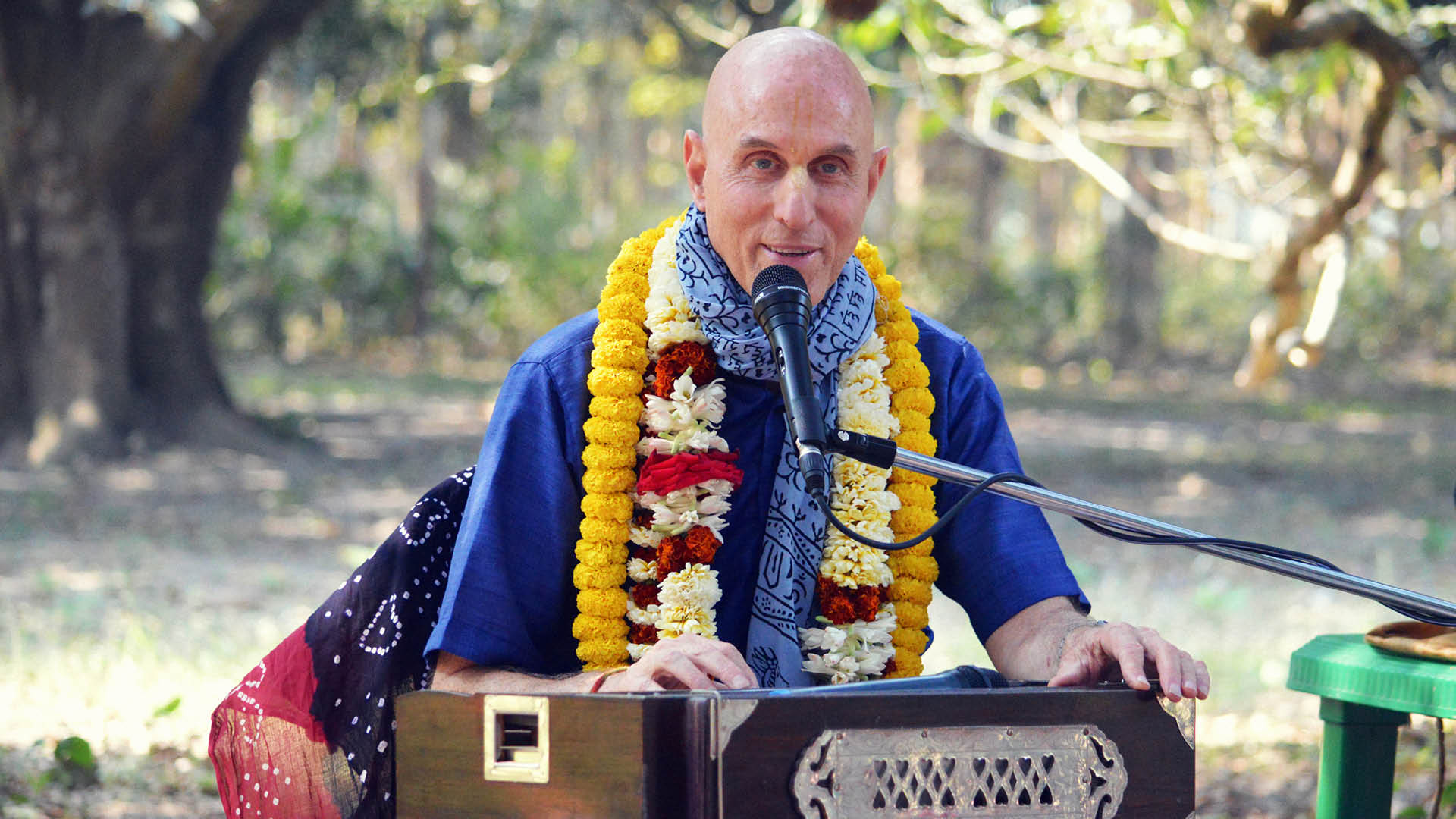
Mahatma Prabhu was born in Los Angeles, California in 1950. In 1969, at the age of 19, he first met Srila Prabhupada through The Bhagavad Gita As It Is, and then later that year met Srila Prabhupada personally in Los Angeles. In January of 1970 he moved into the temple in Berkeley, California and shortly after received first and second initiation.
For more information, click here
SUMMARY OF THE LESSONS
Overview
This course is meant for anyone who wishes to develop genuine self-love through the process of caring for oneself physically, emotionally, mentally, spiritually, financially, etc. By applying self-care practices, we can live a balanced and sustainable lifestyle which accounts for all aspects of our life, without emphasizing some at the expense of others. This course also delves deep into the philosophy of self-care.
Introduction
There are exercises attached to each section of the course. You will find the links to the exercises along with links to other material below each video.
Doing the exercises is how you will imbibe the teachings of this course. The exercises are thus the most important part of the course. Do them as they come up in the course and don’t jump ahead without having completed the current exercise.
For some sections of the course there will be additional optional resources to help you deepen your understanding of the lesson. They are found below ache video in the Extra Resources section. They are in the form of text, audio, video and/or exercises.
1 - What is Self-Care and Why Do We Need It?
Self-care, in a Krishna conscious context, means to care for all aspects of ourselves in ways that nurture our spiritual lives. This also means avoiding thoughts and actions that are harmful to ourselves and/or allowing others to treat us in harmful ways. This aligns with the first two principles of surrender: doing what is favorable for devotional service and avoiding what is unfavorable.
2 - Internalizing Self-Care
To properly care for oneself, the mentality that, “I am worth taking care of myself” is fundamental. With this mentality, self-care is natural. Without it, self-care becomes minimized or neglected. “I am worth taking care of myself.”
3 - What Did Srila Prabhupada Say About Self-Love and Self-Hatred?
First of all, save yourself; then try to save others. Or both things can go on simultaneously. The same example. If you want to save somebody who’s drowning you must know that I may not be washed away. I have to remain strong; then I can save him. ~ Srila Prabhupada, conversation, 14 February 1977, Mayapur
4 - Making the Mind Your Friend
… one who thinks that he has many enemies is an ignorant man, whereas one who is in Krishna consciousness knows that there are no enemies but those within oneself the uncontrolled mind and senses. SB 7.8.10
5 - Does Krishna Really Love Me?
Self-love is nurtured by accepting that Krishna cares about me, loves me, and wants a relationship with me.
6 - Reciprocating Krishna’s Love
In the Bhagavad Gita , Krishna says that I am the Supersoul everywhere. So, Krishna is so kind that He is always with us as Friend. If we can learn to treat Him with our friendly love and affection the reciprocation is permanent, and that is the highest success of our human form of life. Letter to Jadurani , June 20, 1968
7 - Self-Acceptance, Self-Compassion and Self-Love
Self-acceptance is the refusal to be in an adversarial relationship with yourself.
8 - The Connection Between How I Treat Myself and How I Treat Others
If you are not good at being kind towards and accepting of yourself, you will often have difficulty being kind to others. The principle is that we tend to treat others the way we treat ourselves.
9 - Uncomfortable in Our Own Skin
When we have an idealized view of how Krishna conscious we should be, it makes us feel that we are falling short of who we must be to be acceptable and worthy in the eyes of Krishna, our guru(s), and the devotees. This leaves us with a, “I wish I wasn’t me but more like him or her” feeling, leaving us with the sense that something is wrong with us, perhaps uniquely wrong. So, we feel “uncomfortable in our own skin”. ~ Rabindra Svarupa Prabhu.
10 - Pretentiousness and Self-Deception
A common fear that faces members of an organization that values purity is that “I will be exposed as impure.” In order to avoid this humiliation, we need to show others a false self. So we pretend to be someone we are not. We do this to be liked and accepted or even honored because we believe others will not like us when they find out what we are really like. To do this we have to hide our real self and maintain a “public persona.”
11 - What is Success and Perfection in Bhakti?
Perfectionism can be a means of avoiding criticism and ridicule, a shield we carry to keep ourselves from being hurt. In truth, it keeps us from being seen as we are. And if we can’t open our hearts to others about our shortcomings, we avoid one of the most important principles of bhakti, revealing our mind in confidence. The need to be perfect can cause us to focus more on what others think about us and how they treat us than how to please guru and Krishna.
12 - Humility, Low Self-Esteem, Self-Confidence, Guilt and Shame
Humility is a by product of advancement in Krishna consciousness. Low self esteem is a by product of an unhealthy sense of self, even a hatred of oneself. Humility manifests as inspiration. Low self esteem manifests as discouragement, commonly caused by a strong need for appreciation and sympathy, and a dependence on others to solve problems and build self-esteem.
13 - Integration
How can we find balance and integration between our highest goals and the realities of who we are? For example, we want to be humble like grass, yet we like honor. We might be attracted to a very renounced life while still having material desires. Or we want to be strict sadhakas but we don’t like discipline.
14 - Your Struggle is Glorious
Despite the obstacles and hardships we face, and although we might sometimes stumble and fall, we are still going on in devotional service day after day. Recognize that this is glorious and shows the strength of our determination despite our challenges. Be happy about this. We should give ourselves a pat on the back for our efforts.
15 - Self-Love and Compassion - Strengthen Your Resolve
Just as I would not do anything to harm someone I love, when I love myself I would not treat myself poorly or do anything that would harm myself. When I have self compassion, it becomes impossible to cause myself the pain and suffering that would result from giving in to my weaknesses.
16 - Self Care-Practices
It is important to keep the body fit and healthy so that we will not meet the obstacle of ill health while serving Krishna. Ill health may hinder one’s service, so, we want to avoid it as much as possible. Srila Prabhupada , Letter, June 19, 1975
CONTACT US